🚨 SIX SEATS REMAINING IN THIS PROGRAM
Enrollment Closes In:  

THE LAB EVIDENCE SERIES

12 of Functional Medicine's Most Commonly Ordered Lab Tests. 

We're Going to Find Out Which Ones Actually Hold Up.

Know which tests to hang on to, which require caution, and what to do instead.

12 Functional Lab Tests • 12 Independent Evidence Reviews • 

If You Use Even a Handful of These Tests, This Is Going To Be an Interesting Year

01

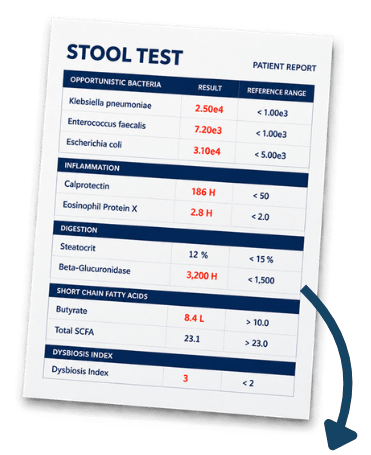
Stool & Microbiome Panels

Why a single stool sample can produce a different dysbiosis classification depending on who processes it, and which components of the report are standing on much firmer ground than the rest.

02

Salivary Adrenal Panels

What one day of saliva collection can and cannot establish about an enduring HPA pattern, and the biological-variation question that determines whether the curve on the report is a treatment target at all.

03

IgG Food Sensitivity Testing

The distinction between an IgG result that identifies a food causing symptoms and one that mostly records what the patient has been eating, and why that difference decides whether an elimination diet helps or harms.

04

Hair Tissue Mineral Analysis

What hair can legitimately establish about exposure, where the claims about tissue mineral status outrun the evidence, and what the reproducibility literature found when the same hair went to different laboratories.

05

Organic Acids Testing

Which organic acid markers carry real clinical validation, and where the functional interpretations involving mitochondria, dysbiosis, oxidative stress and glutathione begin adding inference steps the metabolite cannot support.

06

Urinary Hormone Testing

Why dried urine can be analytically sound and the clinical conclusion drawn from it can still be unestablished, and where the metabolite pattern stops being measurement and starts being interpretation.

07

Urinary Mycotoxins and Mold 

The four separate questions hiding inside one positive result - exposure, source, body burden, illness - and why answering only the first does not justify the protocol.

08

Provoked Metal Testing

What happens to the meaning of a reference range after you administer a chelating agent, and why the comparison population the result is being judged against may not exist.

09

Intracellular Micronutrients

Whether measuring inside the cell gives you clinical information you could not get more cheaply, or a more expensive version of what you already knew.

10

SIBO Breath Testing

The test most likely to hold up, but only for the specific question it was built to answer, and the protocol conditions that decide whether the result is defensible.

11

Gut Permeability and Zonulin

The question that comes before "what does an elevated zonulin mean": what the assay on your report is actually detecting, and whether that has been shown to establish intestinal permeability.
12

Immune Reactivity Arrays

What a broad antibody pattern can establish about reactivity, and what it cannot establish about causation, cross-reactivity, or whether removing the flagged foods changes anything.

Not twelve lectures about laboratory medicine. Twelve answers I want as a practitioner. 

ADVANCED BLOOD CHEMISTRY

There are 35+ more of these
hiding on standard labs.

Start today with the full training, clinical walkthroughs, 
downloadable tools, and practitioner-ready interpretation
methods.
Private release       Self-paced      Immediate access

You May Know Exactly How to Interpret the Report.
That Doesn't Mean Anyone Proved the Report Deserves to Be Interpreted That Way.

You see the numbers. You know the patients. 
You connect the dots.
And you make good clinical decisions.

That skill is real, and is why your patients trust you.

But clinical experience is not the same as evidence of validity.

From This Report, You Might: 

Recommend antimicrobials
Suggest probiotics
Give diet and lifestyle advice
Use additional testing

Your ability to interpret the report is not the question.

What we're questioning is the report itself.

Has anyone proven that what it measures is valid, reliable, meaningful, and worth acting on?
That's what these twelve independent evidence reviews are for.
Not to criticize practitioner judgement, but to examine the test. 

One Study Demonstrates Why We Need to Do This.

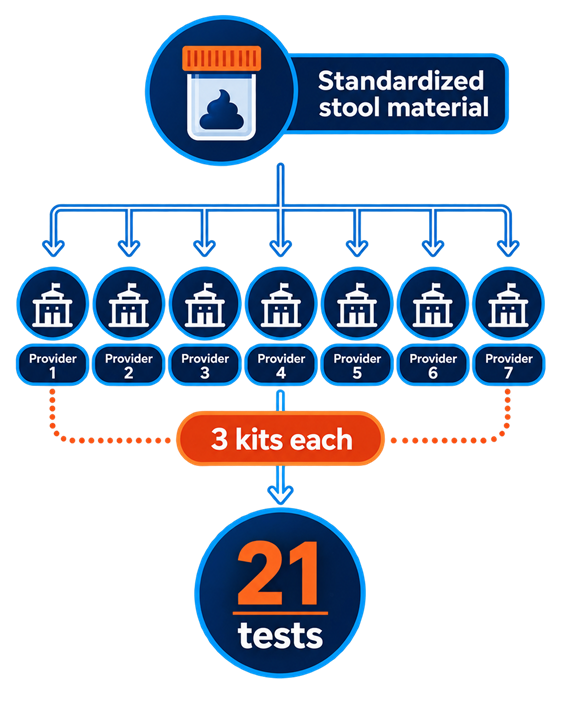
In 2026, researchers at NIST and the Center for Advanced Microbiome Research and Innovation at the University of Maryland School of Medicine sent the same standardized fecal material through seven commercial next-generation-sequencing microbiome services. Three kits each. Twenty-one tests.
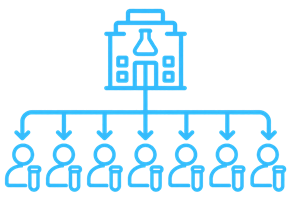
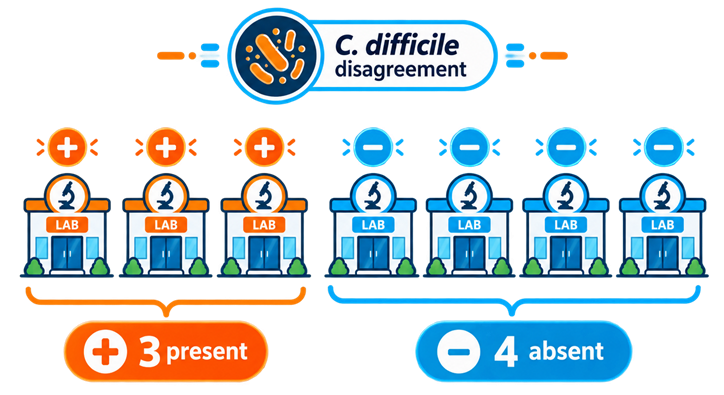
One standardized stool sample was sent to seven different commercial stool testing laboratories.
Three kits to each company. Twenty-one tests. None of them knew they were being evaluated.
The same lab also ran seven other donors, to measure real person-to-person difference.
Their question: do seven labs disagree about one person more than seven people differ from each other?
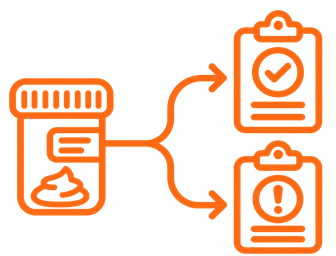
All seven companies reported on C. difficile. Three said it was present. Four said it was absent.
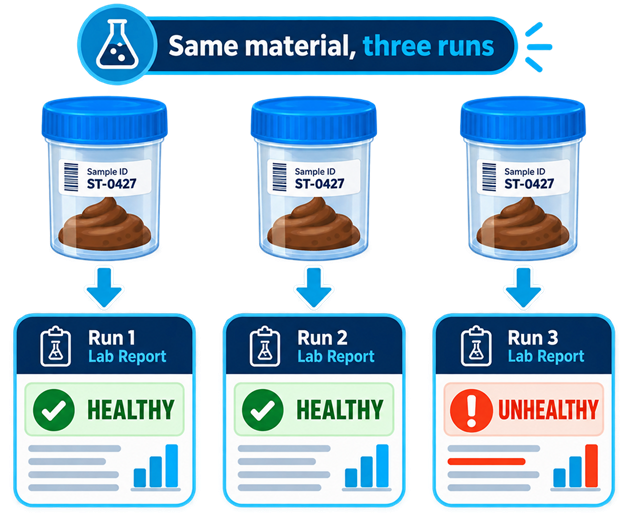
One company ran the identical material three times. Twice it reported a healthy microbiome. Once, unhealthy.
Seven of that company's ten functional categories flipped to below average. The report passed quality control and went to the customer.
Of the eighteen genera every company detected, seventeen varied as much between methods as between human beings.

Same stool sample. Different clinical-looking conclusion.

The question was never whether stool testing works. It is which test, which method, which interpretation, and which decision.

The 2026 NIST Stool Study

One standardized stool sample.
Seven stool lab providers. Twenty-one tests. 

It's not a matter of whether stool testing works or not.
The question is
which method, which measurement, which interpretation, compared with what, how reproducible, and what clinical decision the evidence can support.

And stool testing is only Module #1

THE PREMISE

Every Test Has to Answer the Same Ten Questions

We don't tear down a test if we don't like it, and we don't promote one just because we do.
Instead, every lab test must answer the same ten questions.

Category 1

CAN IT MEASURE?

What exactly does the test measure?

Does it measure it accurately?

Would I get the same answer twice?

Category 2

DOES IT MEAN ANYTHING?

Does the marker naturally vary?

Where did the 'normal' or 'optimal' range come from?

Does the result actually track the clinical condition attached to it?

Category 3

SHOUD I ACT ON IT?

Does it add anything beyond the history, examination, and less expensive testing?

Does test-guided care improve anything meaningful?

What happens when the result is wrong?

Who performed the validation, and where are the conflicts of interest?

That is the standard.

Not whether the mechanism sounds plausible
Not whether an industry "guru" uses it
Not whether thousands of practitioners use it
Not whether the reort looks sophisticated
Not whether I hav personally used it for 25 years

The test has to earn its place.

And Every Review Has To End With and Answer.

No fence-sitting. No hedging. No "it depends".

After the ten questions are answered, you have a clear verdict and a practical next step. 
Because you don't need another opinion.
You need a decision.

USE

The evidence supports that this test is valid, meaningful, and useful in the right context.

Use it with confidence.

USE WITH CAUTION

The evidence is promising but incomplete, inconsistent, or highly dependent on context.

Use it carefully and know its limitations.

DO NOT USE

The evidence does not support this test. It adds cost, confusion, or potential harm without delivering reliable value. 

Don't use it.
Redirect instead.

WHAT TO DO INSTEAD

If this test doesn't hold up, we'll tell you what better aligns with the evidence.

Choose a better path forward.

YOUR TIME. YOUR REPUTATION. YOUR PATIENTS.
You deserve more than a maybe. You deserve the truth.
ADVANCED BLOOD CHEMISTRY

There are 35+ more of these
hiding on standard labs.

Start today with the full training, clinical walkthroughs, 
downloadable tools, and practitioner-ready interpretation
methods.
Private release       Self-paced      Immediate access

No 'Specialty' Functional Medicine Tests Needed. 

ESTABLISHED STANDARD-LAB MARKERS
Validated by large population studies
Widely available and cost-effective
Comparable across time and laboratories
Physiology-based interpretation
Actionable in clinical practice
QUESTIONABLE PROPRIETARY TESTING
Limited or no independent validation
Expensive with uncertain clinical value
Inconsistent methodologies
Adds complexity without clearer decisions
Can distract from clinical judgement
The point: better clinical decisions from validated, available, physiology-based markers

Why This Course Is Different

━━    ●    ━━

A few things separate this course from most of what is being taught in the functional medicine space.

01

Evidence Before Tradition
Interpretive ranges are anchored in published literature where defensible. Where the evidence is thin, that limitation is stated openly. 

02

Physiology Before Memorization
Learn why a marker moves before learning where it should sit. Reason clinically instead of memorizing disconnected thresholds.

03

Advanced Means Advanced
The course assumes fluency with the CBC, CMP, lipids, iron, and standard glucose markers. It is built for experienced practitioners. 

04

Conventional Availability Is The Point
The focus is on established markers available through major commercial laboratories rather than proprietary testing.

A Small Sample of What You’ll Learn to Interpret

From familiar laboratory markers to advanced biomarkers,
dynamic testing, immune patterns, and metabolic relationships.

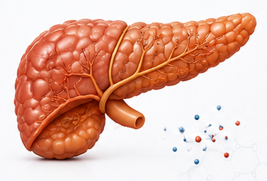
Amylase / Lipase

Pancreatic stress and exocrine function.

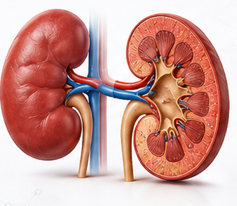
Cystatin C

Early kidney function insight.

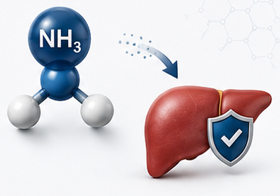
Ammonia

Urea cycle and liver clearance.

Leptin / Adiponectin

Metabolic signaling and inflammation.

ANA & Complement

Autoimmune activity and immune balance.

GlycA

Chronic inflammation biomarker.

Lymphocyte Subsets

Immune surveillance and balance.

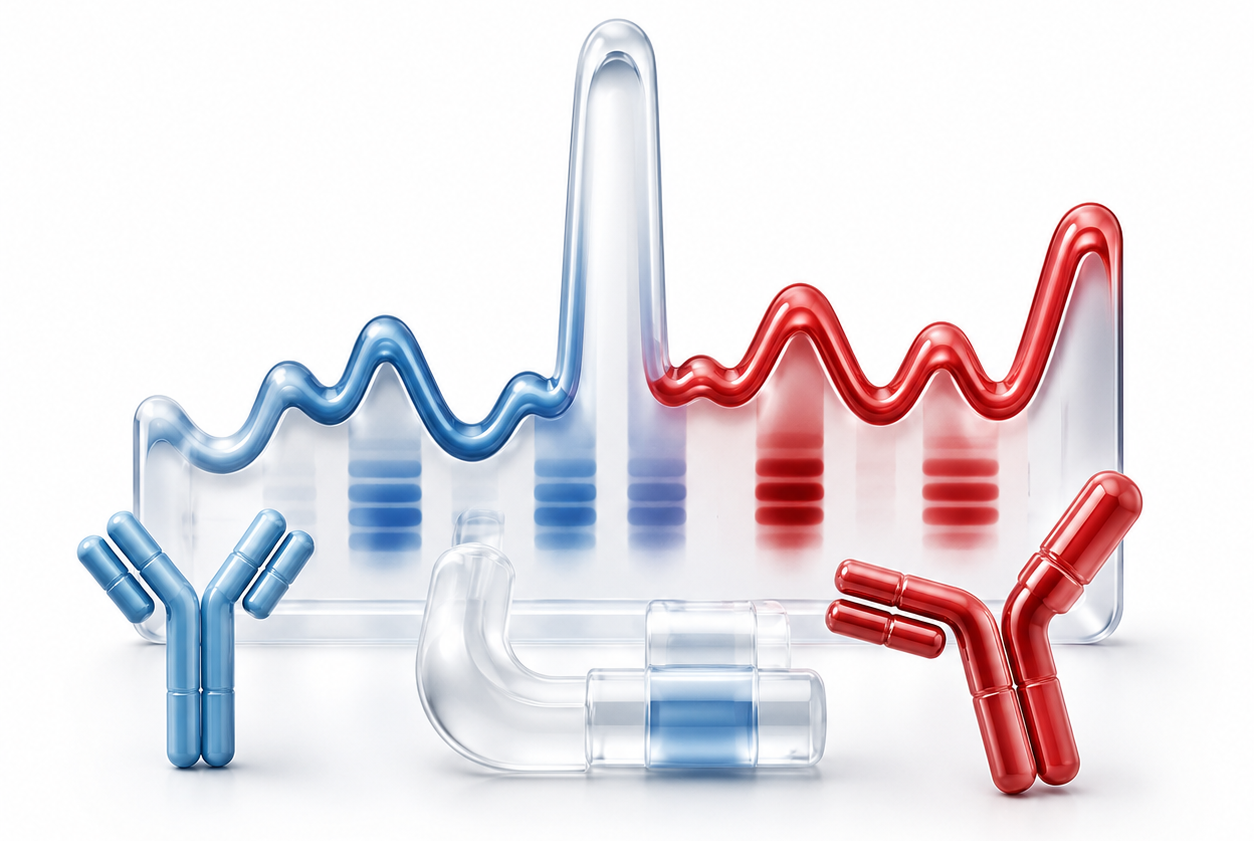
SPEP / Immunoglobulins

Detect dysproteinemias and chronic disease.

OMMTT

Insulin resistance and glucose handling.

…and More

40+ advanced markers and clinical patterns.

Is This Course For You?

━━    ●    ━━

Advanced education for practitioners who already understand
routine blood chemistry and want to step into their specialist tier.

This course is for you if . . .
You've already completed foundational blood chemistry training and want the specialist tier.
You're done chasing shiny-object functional panels and want evidence-based markers you can defend.
You treat complex chronic patients - fatigue, autoimmunity, GI dysfunction, cognitive symptoms, post-viral, metabolic syndrome.
You want ranges anchored in peer-reviewed literature, not folklore.
You want to spend less money on labs, not more.
This course is not for you if . . .
You're a beginner without a foundational blood chemistry background.
You're looking for a single "magic bullet" lab.
You want a deep-dive on cardiovascular markers or hormones, both have their own dedicated courses.
You're attached to proprietary functional panels as a business model.
You want permission to order every marker on every patient

    Inside the Course   

Six core modules. Real-world Application. 
01
Digestive markers.
Pancreas, liver, bile acids, and beyond.
02
Kidney & Liver
Go beyond BUN and creatinine
03
Immune & Inflammation
Pancreas, liver, bile acids, and beyond.
04
Metabolism/ Hormones
Hormones, adipokines, and key ratios
05
Dynamic Testing
Use timing and challenge to uncover dysfunction. 
06
Putting It All Together
Clinical  integration, cases, and algorithms.

──   A CLOSER LOOK INSIDE EACH MODULE   ──

See Exactly What You’ll Learn

Go beyond the overview cards and preview the real clinical depth of each module. 

MODULE ONE
Digestive & Stomach Markers
Go beyond symptom questionnaires and use standard commercial markers to examine pancreatic function, gastric physiology, and selected digestive patterns.
  • Amylase and lipase, including the lipase-amylase relationship
  • Pepsinogen I, Pepsinogen II, and gastrin
  • H. pylori serology: IgG, IgM, and IgA
  • Digestive patterns that routine chemistry can miss
Clinical application: Clarify when digestive symptoms warrant a more targeted laboratory question
MODULE TWO
Advanced Kidney & Liver Assessment
Catch early renal decline, sarcopenia-related blind spots, and subclinical hepatic patterns before they are obvious on routine testing. 
  • Cystatin C and where it outperforms creatinine and eGFR
  • The creatinine-cystatin C ratio as a sarcopenia proxy
  • Serum ammonia in clinical context
  • Subclinical hepatic encephalopathy patterns
Clinical application: Identify when filtration and hepatic questions remain open despite "normal' routine markers. 
MODULE THREE
Metabolism, Energy & Mitochondrial Clues
Learn how adipose signaling, energy regulation, and metabolic physiology can reveal patterns not visible on a standard fasting panel alone. 
  • Leptin and adiponectin in a metabolic context
  • Adipose signaling and inflammatory communication
  • Energy regulation and mitochondrial pattern recognition
  • Metabolic clues that refine cardiometabolic interpretation
Clinical application: Recognize when deeper metabolic physiology is driving the presentation. 
MODULE FOUR
Specialized Immunology,
Part One
Differentiate viral, bacterial, and autoimmune patterns using standard commercial markers most practitioners were never taught to integrate. 
  • ANA: titer and pattern interpretation
  • Complement C3 and C4 in immune context
  • Neopterin and TH1/viral pattern clues
  • Procalcitonin in bacterial-pattern asessment
  • Beta-2 microglobulin in chronic immune activation
Clinical application: Build a more disciplined viral vs bacterial vs autoimmune pattern map. 
MODULE FIVE
Advanced Immune Panels & Ratios, Part Two
Explore deeper immune and inflammatory patterns through commercial-lab immune subsets and calculated inflammatory relationships. 
  • GlycA and where it may add information beyond CRP
  • Lymphocyte subsets: CD3, CD4, CD8, CD19, CD56
  • The CD4:CD8 relationship
  • NLR, MLR, and PLR from the CBC
Clinical application: Strengthen immune-pattern recognition without defaulting to proprietary testing. 
MODULE SIX
Metabolism Response Test & Clinical Integration
Use dynamic testing and integration principles to uncover what fasting data misses and translate findings into clearer next-step decisions. 
  • The Metabolism Response Test/OMMTT concept
  • What post-meal physiology can reveal
  • Pattern recognition across fasting and challenge states
  • Clinical sequencing and practical integration
Clinical application: See when a dynamic response test adds more insight than repeating another fasting panel. 
ADVANCED BLOOD CHEMISTRY

There are 35+ more of these
hiding on standard labs

See exactly which markers, when to order them,
and how to read the result.
Private release  ●  Self-paced  ●  Immediate access

━━      WHAT EVERY PATH INCLUDES     ━━ 

Every Enrollment Path Starts
with the Same Core Training

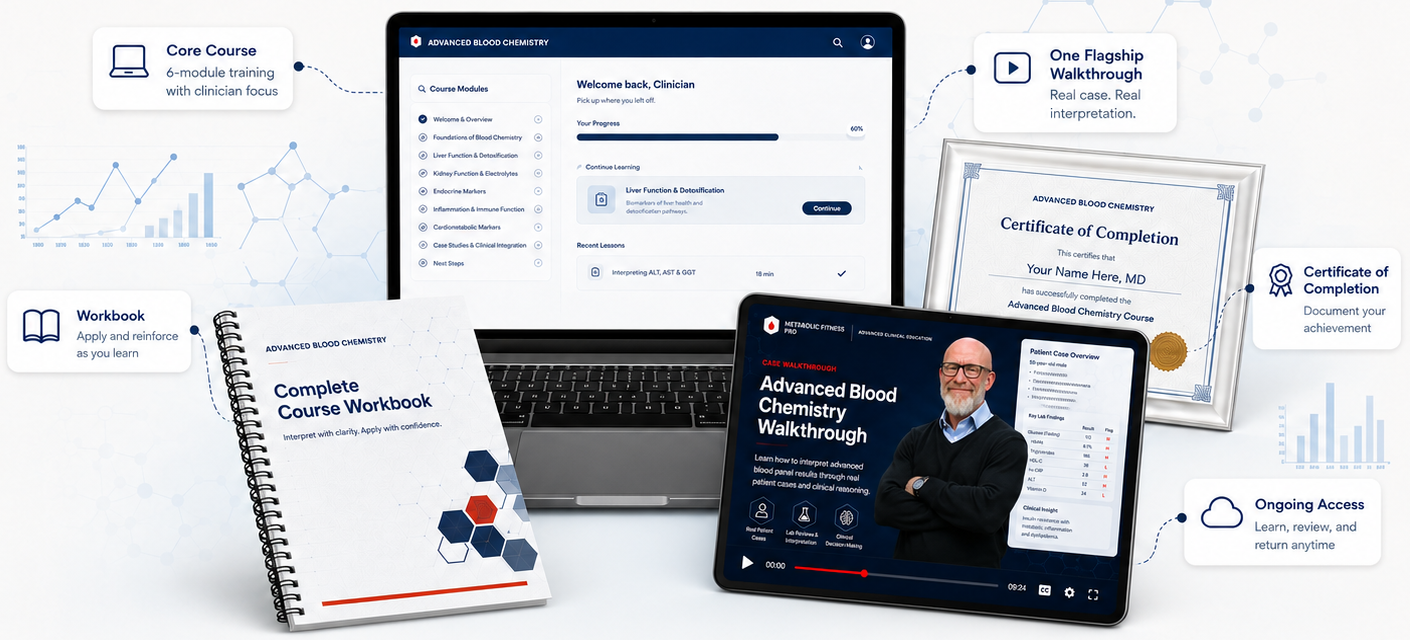
Every path includes the same core Advanced Blood Chemistry training
and learning assets. The tiers differ in implementation, access, and support

Evidence-Based Content

Easy to Follow,
Easy to Apply

Designed for Clinical Impact

Learn on Your Schedule
Trusted by Practitioners

━━      WHAT CHANGES WHEN YOU UPGRADE     ━━ 

More Implementation
More Guidance. More Access

Every tier starts with the same Advanced Blood Chemistry Core training.
Upgrading adds implementation support and access, so you can go further, faster. 

SELF-STUDY

Learn it independently

Complete core training
Course Workbook
One case Walkthrough
Certificate of Completion
Complete core training
Six month course access

Everything you need to learn the method on your own. 

INTENSIVE

Implement it in practice

Everything in self study
4 PDF Implementation tools
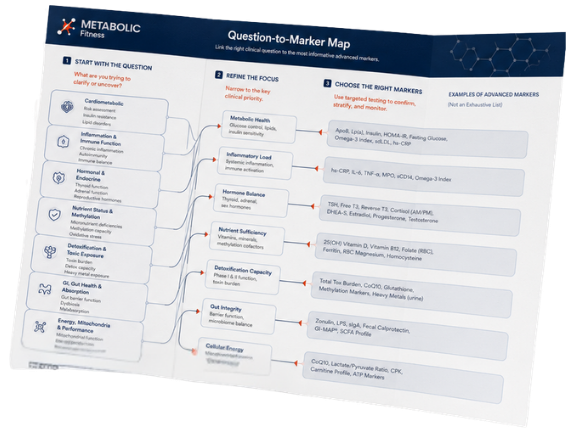
Question-to-Marker Map
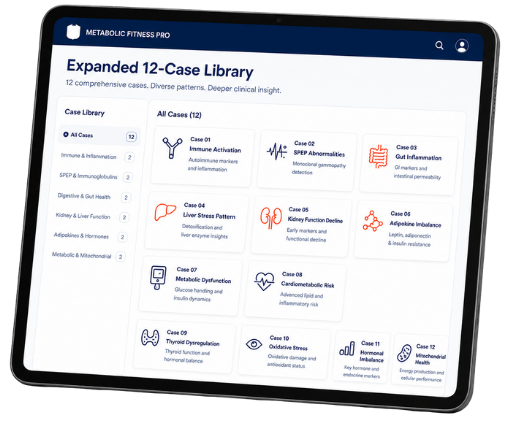
12-Case Library
9 month course access

The tools, cases, and support that turn the method into daily practice.

VIP

Implement it with Dr Walsh

Everything in Intensive
Priority case review
Live Clinical Rounds Calls
Q&A Access
Three months of direct access to Dr. Walsh 
12 month course access

The fastest path with direct access and personalized guidance.

INSIDE THE INTENSIVE: THE TOOLS THAT TURN THE TRAINING INTO DAILY PRACTICE

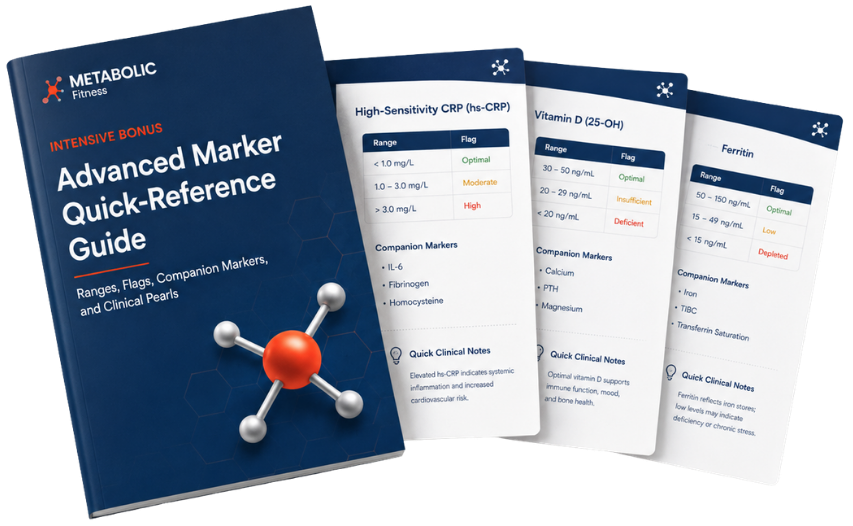
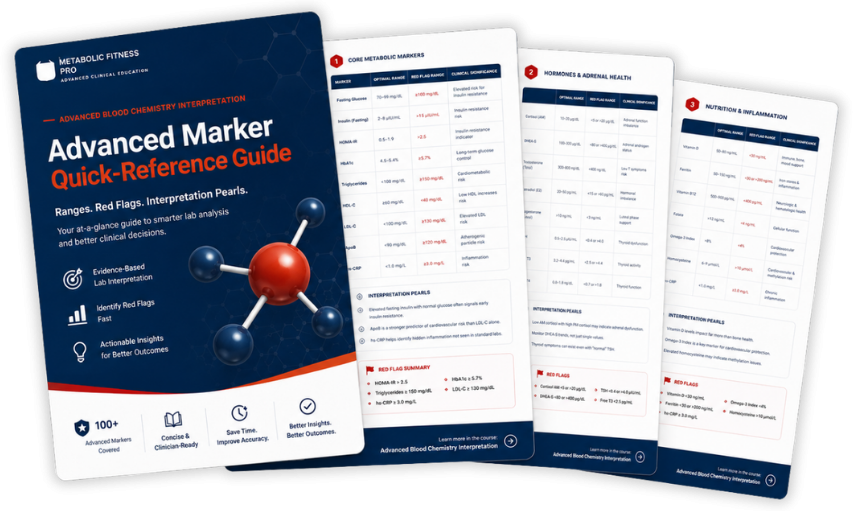
Advanced Marker Quick-Reference Guide

Instant access to 40+ key markers with ranges, flags, and clinical interpretation. 

Question-to-Marker Map

Start with the clinical question, not the test. Map symptoms to the right markers. 

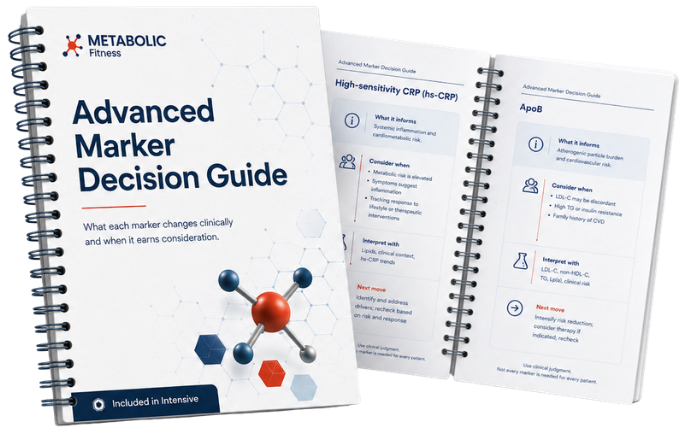
Advanced Marker Decision Guide

Make confident decisions on what to order and how to act on each result.

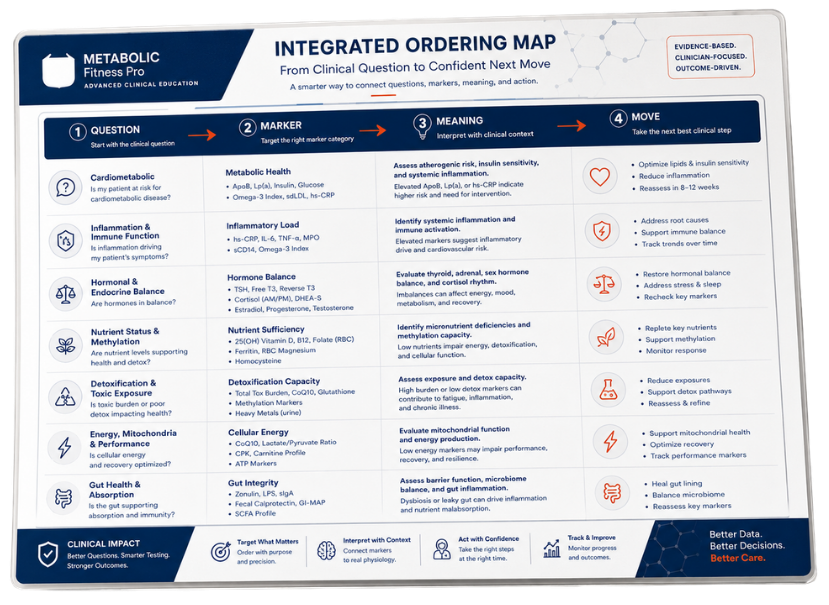
Integrated Ordering Map

The whole method on one desk sheet. Question → Marker → Meaning → Decision

12 Case Study Library

See patterns across systems, practice interpretation, and strengthen clinical confidence.

━━      THE THIRD OPTION: VIP ACCESS     ━━ 

FOR PRACTITIONERS WHO WANT DIRECT ACCESS AND FASTER IMPLEMENTATION.

The VIP path is for those who want personalized guidance, priority case review, and closer access to Drs Walsh.

Priority Case Review

Your cases moved to the front of the line.

Direct
Feedback

Three months of detailed input from Dr. Walsh

Closer Q&A
Access

Small-group Q&A and deeper discussion

Live Clinical Rounds Calls

Monthly calls to cover cases in detail

Highest touch.
Limited seats.

 ━━     PRIVATE-RELEASE ENROLLMENT CLOSING SOON     ━━

Choose Your Enrollment Option

Every path includes the complete Advanced Blood Chemistry core training.
Choose the implementation, guidance, and access that fit how you want to learn.

Normal text.

SELF-STUDY

Learn it.

$1,997

Complete core training
Course Workbook
One case Walkthrough
Certificate of Completion
6 months access

RECOMMENDED & MOST POPULAR

INTENSIVE

Implement it.

$3,997

Everything in self study
Four implementation tools
Expanded 12-Case Library
9 months access
Small text.

VIP

Master it.

$9,997

Everything in Intensive
Priority case review
Live Clinical Rounds Calls
Direct feedback
Q&A Access
12 months access
30-Day Implementation 
Implement the method on real cases. If you do not gain meaningful new insight, our team will work with you until you do.
Immediate Access
Begin the core training immediately after enrollment, regardless of the path you choose.
Private Release
Previously available only inside Clinician's Code Advanced Certificate. Private-release enrollment and pricing end soon. 

━━      COMPARE WHAT EACH PATH INCLUDES     ━━ 

Compare Your Enrollment Options

Each path begins with the same core training. Choose the implementation,
access, and guidance that best fits how you want to learn and apply the information. 

FEATURES

SELF-STUDY
INTENSIVE
VIP
Complete core course
Course workbook
Case walkthrough
Certificate of completion
Course access
6 months
9 months
12 months
Advanced Marker Quick Reference Guide
Question-to-Marker Map
Advanced Marker Decision Guide
Integrated Ordering Map
12-Case Library
Four Cases Released Monthly
Three Live Clinical Rounds Calls
Clinical Rounds Q&As
Clinical Rounds Call Recordings
Between-call faculty access
Priority Case Feedback 
Number of Available Seats
25
15
10
Payment plan
Three payments of $1,465
Five payments of $2,199

PRIVATE-RELEASE BONUSES

Enroll Now and Receive These
Two Bonuses at No Additional Cost

These bonuses are designed to help you apply the course faster in real clinical practice.

BONUS #1

Advanced Marker
Quick Reference Guide

Marker ranges and clinical flags
Interpretation reminders and practical pearls
Fast-access desk reference 
Value $197
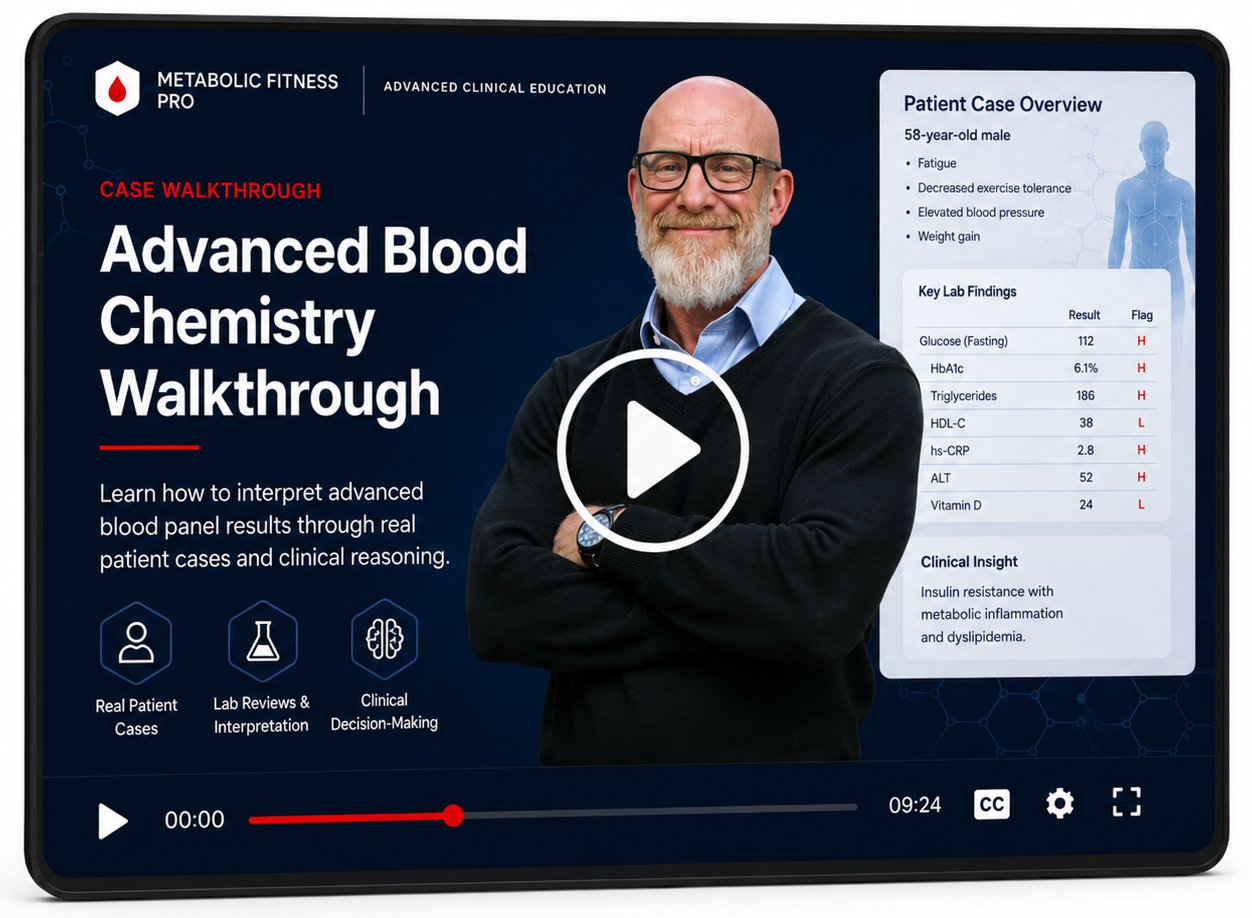
BONUS #2

Case Walkthrough
Video Series

Real patient cases and lab review
Clinical interpretation in context
Better pattern recognition and next-step thinking
Value $197
Bonus value: $394
Instant access
Included with private-release enrollment

BEFORE YOU ENROLL

Questions About the Course or Enrollment?

Everything you need to know about prerequisites, access, payment plans, policies, and choosing the right path.

 ──    PRIVATE RELEASE ENROLLMENT CLOSING SOON   ── 

Choose the Support That Fits

Every path begins with the same complete Advanced Blood Chemistry core training. Upgrade for more implementation tools, live guidance, and direct access.

Complete Core Training

23 advanced lessons, workbook, case walkthrough, certificate, and ongoing access.

Implementation Tools

Quick-reference resources that help turn the training into daily clinical decisions.

Live Clinical Guidance

Expanded cases, Clinical Rounds, and support applying the method in practice.

Direct
Access

Priority case review, direct feedback, closer Q&A access, and a limited-seat cohort.

 ──    PRIVATE-RELEASE PRICE   ── 

Starting at:

$1,997

Self-Study, Intensive, and VIP options
Immediate access to the core training
30-day implementation commitment
Same Core Training
Every path includes the complete Advanced Blood Chemistry course, workbook, walkthrough, certificate, and ongoing access.
Choose Your Support
Select Self-Study, Intensive, or VIP based on the implementation help and access you want.

━━   ✱   Learn the method. Apply it in practice. Choose the support that fits.       ━━